
Mannered Manes
Mannered Manes, Inc.Beauty
3.044.00 Reviews
- Version
- 4.2.1
- Installs
- 10.00K
- Age Rating
- Teen
Screenshots




Our Review of Mannered Manes
 Analysis by Appyee
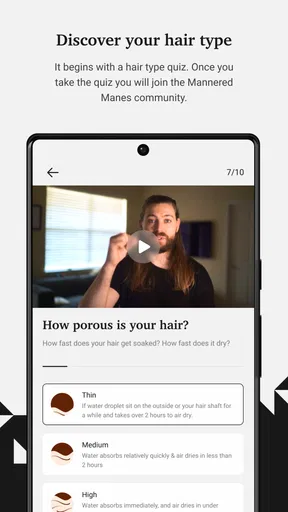
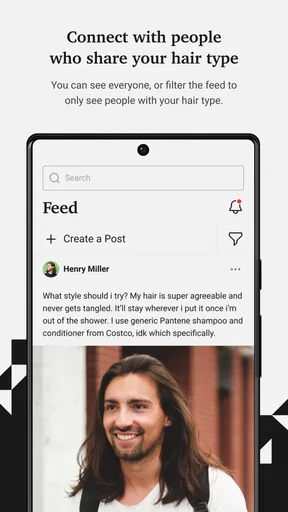
I approached Mannered Manes as a beauty app for people who want more than a quick product recommendation. Its central idea is a community for hair enthusiasts, and that community focus changes the experience: instead of treating hair care as a private checklist, it gives users a place to look for ideas, compare routines, and learn from people with different textures, lengths, styles, and concerns. I found that the app’s value depends less on speed and more on how willing you are to browse, interpret advice, and take part in a shared conversation.
The app is free to install, which makes it easy to try without committing money at the beginning. It is published by Mannered Manes, Inc., sits in the Beauty category, and is intended for a Teen audience. The current release is version 4.2.1 and works on Android 8.0 or later. Its average score is three out of five from around two hundred ratings, while the wider install count has passed ten thousand. Those figures suggest a real but still fairly modest community, so I would not approach it expecting the depth or constant activity of a huge social platform.
How the experience handles readability and navigation
My first impression was that Mannered Manes makes more sense when I treat it as a discovery space rather than a traditional hair-care utility. A utility app usually gives me a direct path: enter a concern, receive a routine, and leave. Here, the useful path is more open-ended. I may begin with one hairstyle or question, then find a discussion that leads me toward a different routine or a new way of thinking about my own hair.
That openness can be helpful for readers who learn best through examples. Hair advice often becomes easier to understand when it is connected to a person’s actual experience instead of presented as an abstract instruction. I can compare how different people describe similar problems, notice where their routines disagree, and decide which suggestions deserve a cautious trial. For someone who struggles with dense beauty terminology, community explanations may feel more approachable than professional product pages.
At the same time, a community format asks more of the reader than a tightly organized guide. I have to separate personal preference from broadly useful advice, and I cannot assume that a routine that works for one contributor will suit my scalp, texture, climate, or schedule. This is especially important for new users who may expect a clear, personalized answer immediately. The app is easier to appreciate once I accept that browsing and judgment are part of the process.
For better readability, I would use it in short sessions rather than trying to absorb everything at once. When I find a useful post or discussion, I would save the key idea outside the app in a simple note, along with the hair type or situation it was intended for. That small habit prevents a common community-app problem: remembering the conclusion but forgetting the context that made the advice relevant.
The audience itself is another navigation aid. A question written by someone with a similar routine can be more useful than a polished article aimed at everyone. I recommend beginning with your own practical concern—such as detangling, styling time, moisture, or maintaining a look—rather than browsing without a purpose. A focused starting question makes the community feel less scattered and reduces the chance of chasing every attractive suggestion.
There is also a social accessibility angle here. People who feel uncomfortable asking hair questions face to face may find a digital community less intimidating. They can read before participating, observe the tone, and decide whether they want to post. That is a genuine strength for shy users and for anyone who has previously felt overlooked by mainstream beauty advice.
Reading advice without losing the personal context
One of the most useful ways to use the app is to treat each recommendation as a starting hypothesis. I would look for the details behind it: what kind of hair the person has, how often they wash or style, whether their environment is humid or dry, and what result they were actually pursuing. Even when those details are not all present, asking for them can turn a vague exchange into a more useful conversation.
This approach is particularly valuable for users with mixed or changing needs. Hair can behave differently after coloring, protective styling, medication, seasonal changes, or a shift in water quality. A static routine from a conventional guide may not acknowledge those changes, while a community discussion can reveal several practical adaptations. The trade-off is that the user must do the comparison work instead of receiving one authoritative path.
I would also avoid interpreting popularity as proof. A highly visible idea may simply be easy to explain or attractive in photographs. For sensitive scalps, significant hair loss, persistent irritation, or suspected medical conditions, community suggestions should remain secondary to qualified professional advice. The app can help me describe my concern and discover vocabulary for researching it, but it should not replace diagnosis or treatment.
Motor and sensory considerations in everyday use
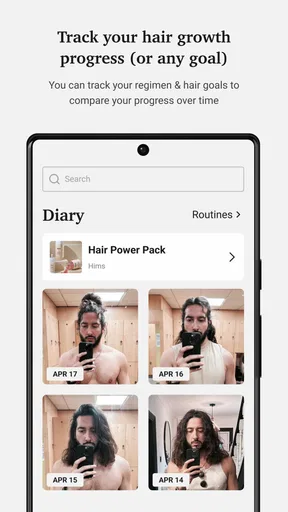
From an inclusive-use perspective, the most promising part of Mannered Manes is that participation does not have to mean constant posting. A person with limited hand mobility, fatigue, tremors, or pain may prefer reading and occasional interaction rather than maintaining a demanding beauty journal. That lower-pressure pattern can make a community more manageable than an app built around frequent photo uploads or elaborate daily tracking.
Still, community browsing can become tiring. Scrolling, selecting small controls, composing detailed posts, and moving between conversations may be difficult for users who rely on assistive input or who experience hand strain. I would plan shorter visits, use the operating system’s own text and interaction settings where available, and prepare longer questions in a notes app before posting. Drafting elsewhere reduces the physical effort of editing inside a mobile interface.
Users with visual sensitivities may also want to control how they approach image-heavy beauty content. Hair inspiration is naturally visual, but not every user wants a rapid stream of photos, strong contrast, or visually busy screens. I found it more comfortable to decide what I am looking for before opening the app and to pause when the feed becomes tiring. The community concept works through ideas and descriptions as well as images, so users should not feel obliged to judge every contribution visually.
For people with cognitive disabilities, attention differences, or memory difficulties, the open-ended format can be both inviting and demanding. It supports curiosity, but it can also create too many possible directions. I would use a simple three-step routine: define one question, read a small number of relevant contributions, and write down one action to consider. That keeps the app from turning a manageable hair-care decision into an exhausting research session.
Communication style matters as much as interface comfort. Someone who finds beauty jargon confusing may benefit from asking contributors to explain a term in plain language. Someone who has difficulty composing a public post could begin by reading existing discussions and then use a short template: describe the current routine, identify the problem, and explain the result wanted. This makes participation less dependent on writing confidence.
There is a useful trade-off for users who prefer privacy. A community can provide reassurance that a concern is shared by others, but posting personal hair information may feel exposing. I would avoid including unnecessary identifying details and would think carefully before sharing photographs. The app is more suitable for people comfortable with community-based learning than for anyone who wants a completely private, automated consultation.
Using the app in different situations
A realistic everyday scenario might look like this: I have a busy morning, my hair becomes difficult to manage in humid weather, and I need a routine that does not add much time. Rather than searching for a perfect product immediately, I would use Mannered Manes to find people discussing similar constraints. I would compare the steps they consider essential, note which suggestions depend on a particular hair texture, and test one small change on a day when I do not have an important event.
That last part is important. Community advice is most useful when I treat experimentation as gradual. Trying several new products or techniques at once makes it impossible to know what helped and increases the chance of irritation or disappointment. The app can supply ideas, but my own process should remain controlled: change one variable, observe the result, and stop if something feels harmful.
The app may also suit someone preparing for a major change in appearance. Before cutting, coloring, or adopting a new styling method, I could use the community to see how others handled upkeep and what questions they wished they had asked first. This is a less obvious use than simply looking for inspiration. It shifts attention from the immediate look to the maintenance burden, which is often what determines whether a style works in real life.
For caregivers or family members helping someone else with hair care, the community format may offer practical language and alternative routines. A caregiver could gather ideas for reducing time, simplifying steps, or making grooming less stressful. However, the suitability of any technique still depends on the individual’s comfort, sensory preferences, and health needs. Advice should be adapted collaboratively rather than imposed because it appears popular.
Travel is another situation where the app could help with planning. A user can think through how a routine might change with limited luggage, unfamiliar water, different weather, or less time. The useful question is not only “What should I buy?” but “Which parts of my routine are essential, and which are optional?” Community conversations can make those distinctions more visible than a standard shopping list.
On the other hand, this is not the right tool when I need a fast, authoritative answer. If I am standing in a store and want a direct comparison of ingredients, prices, or stock, a retailer or product database will usually be more efficient. If I want a step-by-step styling lesson with consistent production quality, a dedicated video platform may be better. Mannered Manes is strongest when I want lived experience and discussion, not when I need a single verified answer in seconds.
Where access and usefulness still meet barriers
The app’s community identity creates its biggest limitation: the quality of my experience depends on the quality and relevance of what I find. A smaller community can feel more personal, but it may also offer fewer answers for uncommon hair needs, regional routines, or specific accessibility concerns. The install base has grown beyond ten thousand, yet that is still a different scale from a mainstream social network. I would keep expectations realistic and be prepared for some searches or questions to produce limited results.
The three-out-of-five average rating reflects a mixed public response rather than universal satisfaction. I do not read that as a reason to dismiss the app, but I do take it as a reminder to test the experience personally before investing much time. The free entry point helps here. I can explore the community first, see whether the discussions match my needs, and decide whether the app deserves a regular place in my routine.
There is also a financial consideration after installation. The app includes optional in-app purchases ranging from $7.99 to $39.99 per item. Because the core download is free, I would pay close attention to what is included before making a purchase and avoid assuming that a paid item is necessary for basic exploration. This matters especially for users on tight budgets, who may prefer to use the community for ideas while handling product research elsewhere.
The Teen content rating makes the app appropriate for a teenage audience, but age suitability is not the same as advice quality. Younger users may be particularly vulnerable to comparison, trend pressure, or trying too many products in pursuit of a look. I would encourage teens to treat appearance discussions as suggestions rather than standards and to involve a trusted adult when a concern involves pain, irritation, or significant changes in hair or scalp health.
Another barrier is the difference between inclusive language and inclusive outcomes. A community may welcome many hair identities while still failing to answer every person’s practical needs. Users with disabilities, sensory sensitivities, religious styling requirements, protective styles, or limited budgets may need to ask very specific questions to find relevant help. That is not a flaw unique to this app, but it means inclusion depends partly on active participation and on whether other members respond thoughtfully.
I would also be cautious about using community advice as a substitute for professional accessibility support. If a user needs an interface that works with a particular screen reader, switch device, voice-control setup, or other assistive technology, the safest approach is to test the actual current build with that setup. The app runs on Android 8.0 and later, but operating-system compatibility alone does not tell me how comfortable every accessibility configuration will be.
Finally, the app may not suit someone who dislikes social interaction altogether. Even when I only read, the experience is shaped by other people’s posts, opinions, and priorities. A private routine tracker or a carefully edited reference guide would be calmer and more predictable. Choosing Mannered Manes means accepting some variety, disagreement, and uncertainty in exchange for personal perspectives.
My inclusive verdict for hair enthusiasts
I see Mannered Manes as a useful community experiment for people who want hair advice to feel more human and less like a one-size-fits-all formula. Its best contribution is not an instant solution; it is the chance to compare lived experiences and ask better questions. That can be especially helpful for users who have felt excluded by generic beauty content or who learn more easily from relatable examples.
For accessible use, I would recommend a deliberate approach: begin with one concern, keep sessions short, use device-level reading and interaction aids when needed, and save important guidance in a format that is easy to revisit. Users with limited dexterity can reduce typing by preparing drafts, while users who become overwhelmed by visual or social content can browse with a narrow purpose. These habits do not change the app itself, but they make its open structure easier to manage.
I would recommend trying it if you enjoy exchanging practical hair experiences, want ideas for adapting routines, or are willing to judge advice against your own needs. I would skip it if you require medical guidance, a private consultation, a highly structured routine builder, or a fast shopping comparison. In those cases, a professional, a dedicated reference tool, or a retailer may serve you better.
The free download makes the decision low risk, although the optional purchases deserve attention before spending. My final view is cautiously positive: the app is most valuable when used as a thoughtful conversation space, not as an authority. It has room to become more useful as its community grows, but even now it can help the right user discover practical approaches that conventional beauty advice often overlooks.
In short, I would keep Mannered Manes available for inspiration and peer learning, while maintaining a separate, simple routine record and checking important health questions with a qualified professional. Used that way, it offers a flexible place to learn without asking it to solve every hair-care or accessibility challenge on its own.
Verdict
Strengths of Mannered Manes
- Simple interface makes browsing horse styles quick and accessible.
- Useful inspiration for planning mane colors, cuts, and decorative details.
- Lightweight experience that should run smoothly on many mobile devices.
- Visual options can help beginners explore different grooming ideas.
- Suitable for short, casual sessions without a steep learning curve.
Limitations of Mannered Manes
- Limited depth may reduce its appeal for experienced horse enthusiasts.
- Some styles may feel repetitive after extended use.
- Visual quality can vary between different mane options.
- May offer little value if you are not interested in horse customization.
- An internet connection may be needed for certain content or features.
Similar Picks in This Category
View All
Beauty Makeup Editor & Camera
Photo & Video Editors - Instant Solution4.7

Perfect365: Face Makeup Editor
Perfect365, Inc.3.5

Mirror Plus - HD Mirror app
Digitalchemy, LLC4.8

Cute Lock Screen & Wallpapers
Prometheus Interactive LLC4.6

HD Camera for Android
One Music Player4.5

Phone Mirror app - True Mirror
Cards4.6
Frequently Asked Questions
What is Mannered Manes, and what can I do with it?
Mannered Manes is an app focused on horse and mane-themed content, offering users an engaging way to explore, manage, or interact with its featured horses and customization elements. Depending on the version available on your device, you may be able to browse designs, personalize appearances, complete activities, or enjoy game-like features. Review the store description carefully, since available tools can vary between Android and iOS releases.
Is Mannered Manes free to download and use?
Mannered Manes may be available as a free download, but users should check the official Google Play or App Store listing before installing it. Free access can still include optional in-app purchases, advertisements, premium customization items, or content unlocked through payment. If the app is intended for children, parents should also review purchase settings and enable authentication to prevent accidental transactions.
Does Mannered Manes require an internet connection?
The connection requirements for Mannered Manes depend on how its features are implemented. Basic browsing or previously downloaded content may work offline, while updates, account synchronization, advertisements, online events, or cloud-based features may require mobile data or Wi-Fi. Before relying on the app during travel, open it with connectivity disabled and test whether the main features remain available.
Is Mannered Manes suitable for children?
Mannered Manes may appeal to younger users because of its horse-related theme and accessible presentation, but parents should still check the official age rating, privacy details, and permissions before installation. Look for advertising, chat functions, external links, and in-app purchases. Younger children should use the app with parental supervision, especially if the application collects information or connects to online services.
What should I check before downloading Mannered Manes?
Before downloading Mannered Manes, confirm that your device meets the listed operating-system and storage requirements, then verify the developer name and download it only from an official store. Read recent reviews for reports about crashes, advertisements, or missing features, and inspect the requested permissions. It is also wise to check the latest update date, privacy policy, and whether your device supports the app’s current version.
